
The Stats
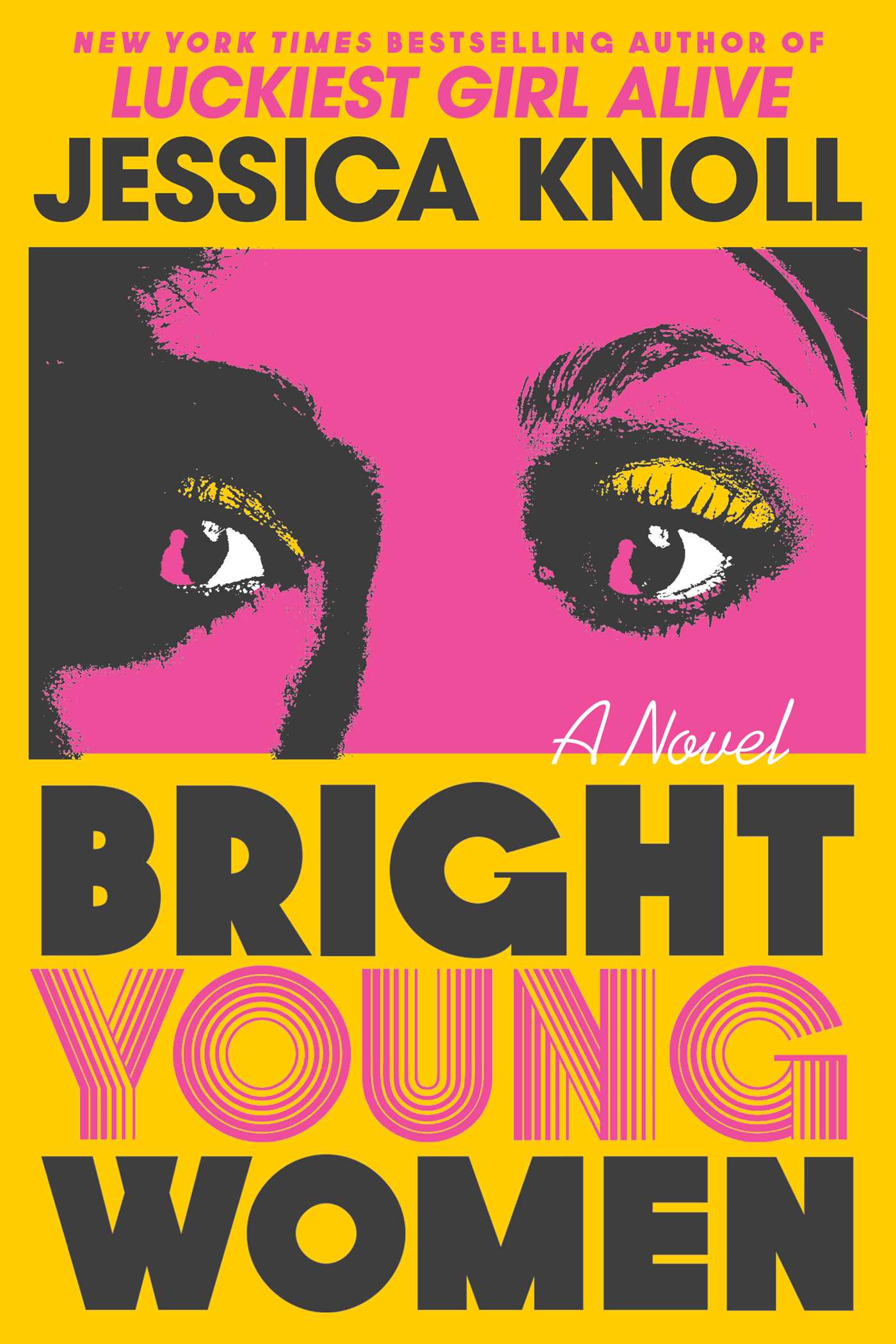
Title: Bright Young Women
Author: Jessica Knoll
Narrated By: Imani Jade Powers,Chris Henry Coffey,Corey Brill,Sutton Foster
Publisher: S&S/ Marysue Rucci Books (19 Sept 2023)
Time: 13 Hours 17 Minutes
Genre: General Fiction (Adult), Mystery Thriller, Suspense, Crime
Trigger Warnings: Sexual Violence, Rape, Serial Killers, Murder, Violence
Read if you like: Don’t You Cry, Dark Corners, Emerald Fennell’s Promising Young Women
Rating: 4.75 Rounded down to 5 on Good Reads
Goodreads Choice Award Nominee for Readers’ Favorite Mystery & Thriller (2023)
Book of the Month September 2023 Pick
The Review
Bright Young Women by Jessica Knoll has been on my radar since it was selected as a 2023 Book of the Month pick. Like many people, I’m a true crime addict—something about the macabre pulls me in. My personal favorites are Serial and Cults, probably from the belief that by listening to these stories, I might somehow avoid a similar fate.
Of all the serial killer limited series and documentaries I’ve watched, only one has made me stop the TV and truly reconsider the genre: Dahmer – Monster: The Jeffrey Dahmer Story, starring Evan Peters. Despite Ryan Murphy’s flaws—like his tendency toward sensationalism—Dahmer powerfully centered the victims. I was so emotionally overwhelmed, I had to take a shower to wash off the lingering feeling of remorse. In Bright Young Women, Jessica Knoll achieves something similar—she flips the script on the serial killer genre, choosing to focus not on the murderer, but on the victims.
Told in two perspectives, the story unfolds through the reflections of Pamela Schumacher—voiced in the audiobook by the wonderful Sutton Foster—as she recounts the brutal attack on her sorority house during her senior year, and the “present-day” narrative of Ruth Wachowsky—narrated by Imani Jade Powers—as she navigates life in the 1970s as a newly out lesbian. These dual narratives, moving between past and present, challenge the conventions of traditional crime stories by placing a deep emphasis on female autonomy. What results is a novel that is part mystery, part character study, and wholly a portrait of grief, survival, and resilience in a society that often sees women as obstacles to a young man’s “bright future.”
What I loved most about Jessica Knoll’s razor-sharp prose is how the novel channels pure feminine rage—rage at the media, the legal system, and the ways women are so often reduced to footnotes in their own lives. Not once is “The Defendant” named, though it’s clear who the story is based on, and that decision alone is an act of defiance. Instead, the novel highlights the brilliance and promise of the women whose lives were cut short or forever changed. One victim, Dennis, had received an internship to work with Salvador Dalí—a rare and prestigious opportunity that spoke to her immense talent and the promise of a future in the art world. She was a gifted artist with dreams of leaving her mark on the creative landscape, and those close to her believed she was destined for greatness. Yet the courts and the press reduced her legacy to the events of that one horrific night, ignoring not only her incredible artistic potential but the vibrant, visionary person she was becoming.
Bright Young Women is a cathartic read, as Knoll does not shy away from the hard truths. Though the topic is heavy, we are left with a deep sense of admiration for the strength and dignity of its heroines. Ultimately, Knoll challenges us not to reflect on the stories we consume, and how we should reframe the way we engage with narratives of violence and survival. This novel stands as a bold reminder that the women so often overlooked in both fiction and reality deserve to be remembered for who they were and who they could have become—not just for what happened to them. As we move forward, may we continue to elevate women’s voices, honor their potential, and demand a world that sees their lives as full and worthy in every sense.
Short Review (AKA TLDR)
In Bright Young Women, Jessica Knoll flips the script on the serial killer genre, choosing to focus not on the murderer, but on the victims. Told in two perspectives, the story unfolds through the reflections of Pamela Schumacher—voiced in the audiobook by the wonderful Sutton Foster—as she recounts the brutal attack on her sorority house during her senior year, and the “present-day” narrative of Ruth Wachowsky—narrated by Imani Jade Powers—as she navigates life in the 1970s as a newly out lesbian. What results is a novel that is part mystery, part character study, and wholly a portrait of grief, survival, and resilience in a society that often sees women as obstacles to a young man’s “bright future.”
What I loved most about Jessica Knoll’s razor-sharp prose is how the novel channels pure feminine rage—rage at the media, the legal system, and the ways women are so often reduced to footnotes in their own lives. Bright Young Women is a cathartic read, as Knoll does not shy away from the hard truths. Though the topic is heavy, we are left with a deep sense of admiration for the strength and dignity of its heroines. Ultimately, Knoll challenges us not to reflect on the stories we consume, and how we should reframe the way we engage with narratives of violence and survival. This novel stands as a bold reminder that the women so often overlooked in both fiction and reality deserve to be remembered for who they were and who they could have become—not just for what happened to them.

