
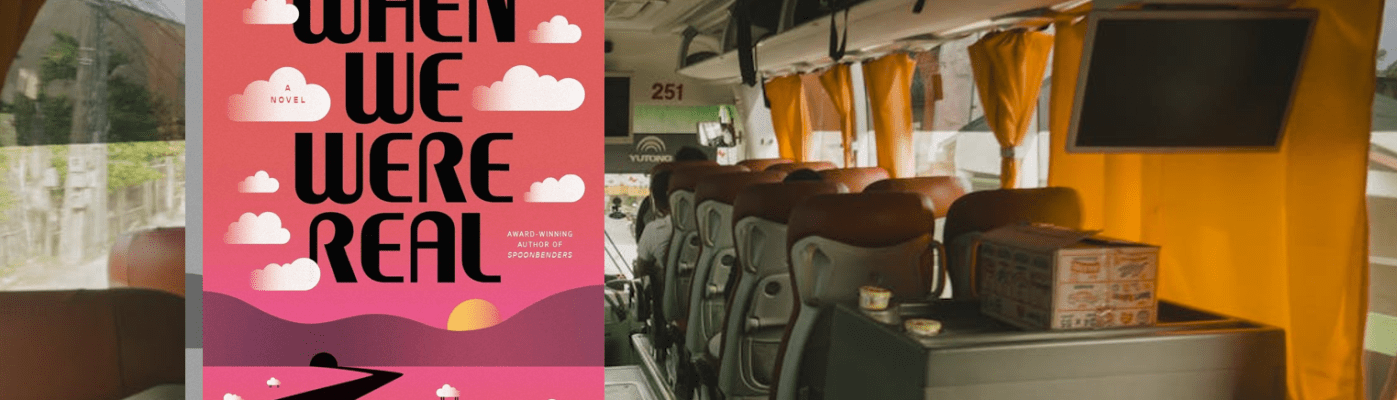
The Stats
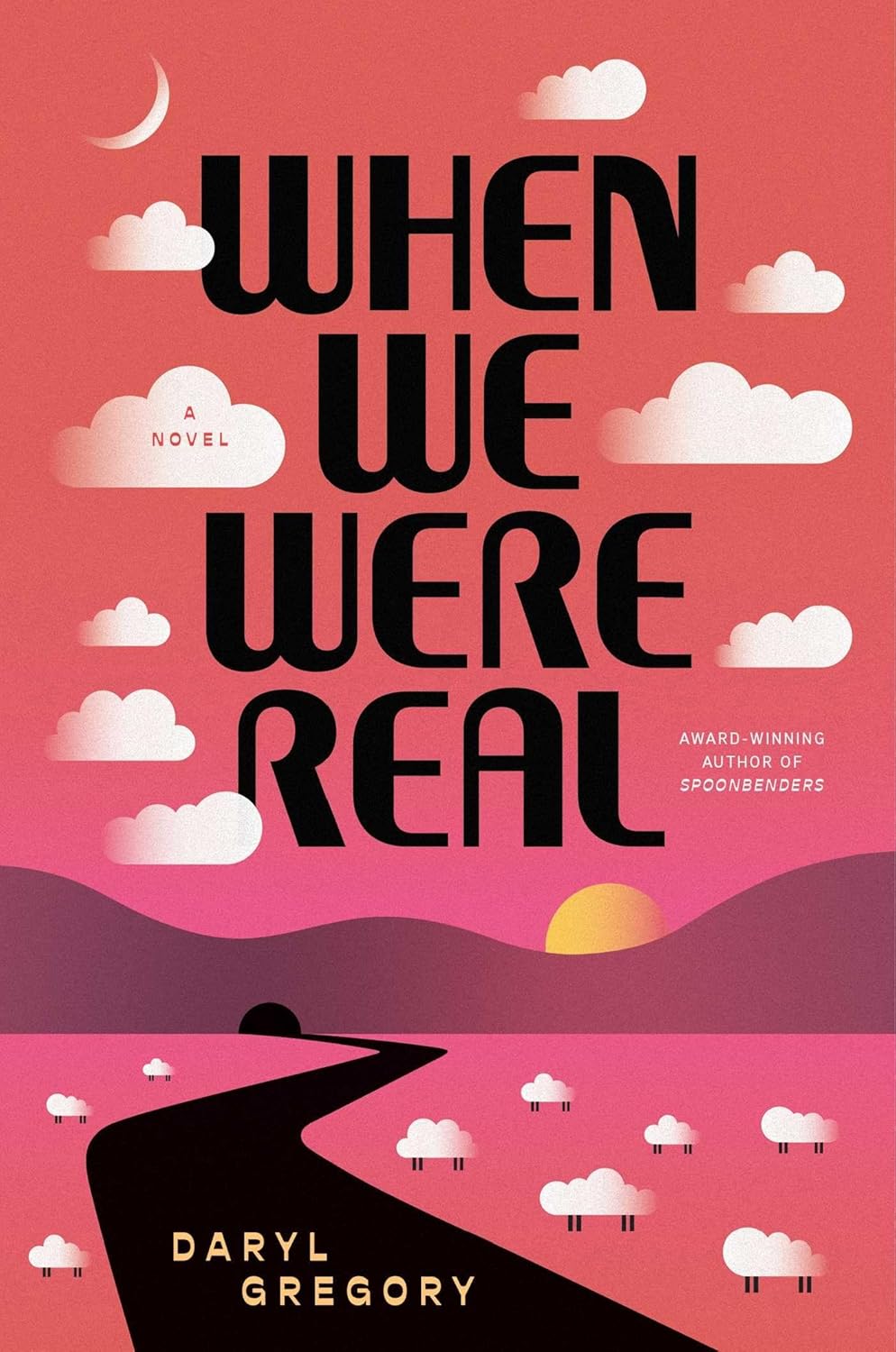
Title: When We Were Real
Author: Daryl Gregory
Publisher: Saga Press (01 April, 2025)
Genre: General Fiction (Adult), Science Fiction, Magical Realism, Humor
Trigger Warnings: Terminal Illness, Nihilism, Mentions of Suicide, Violence, Death, Pregnancy, Cults, Sex
Read if you like: Dark Matter, Klara and the Sun
Rating: 4.25 out of 5 Stars
Thank you to Daryl Gregory, Saga Press and NetGalley for pre-approving me to receive an electrical Advanced Review Copy of When We Were Real. I want to give a special thanks to Savannah Breckenridge from Simon & Schuster for recommending the novel to me.
The Review
When We Were Real was not the best novel to read while I am currently going through my second anesthesia-triggered existential crisis. The first time I was put under, I ended up having panic attacks for the following five years as my perception of Christian Heaven crumbled. I was continually grappling with the reality that the greatest probability of what happens after death is literally nothing. There is no hanging out in the clouds with Jesus, no reflecting on all the happy moments in my life, and no reconnecting with loved ones long passed. Instead, we simply cease to exist and, the scarier thought directly triggering the panic attacks, we will have no idea when we do. Somehow, though, Daryl Gregory sci-fi homage to The Canterbury Tales (our pilgrims literally are on the Canterbury Trails Tour) made that dread feel oddly comforting instead of crushing 1.
Seven years before the story starts, “the Simulators” announced that the perceived world was just made up of code and to make sure no one forgets, various “Impossibles” (physics-defying glitches) were scattered across the globe. This revelation cause quite a stir as individuals grappled with the idea that they were nothing but ones and zeros. JP, whose brain cancer has come roaring back, and his best friend Dulin decide that instead of more treatment, they’re taking one last week-long bus tour with Canterbury Trails to see North America’s greatest Impossibles. On board: a pregnant influencer desperate to make her unborn child too famous to be deleted, two nuns and a rabbi wrestling with God in a digital universe, a podcasting “truther” and his mortified son, horny octogenarians living like every day is their last, a professor on the run from Matrix-worshipping sociopaths, and a brand new tour guide who was NOT prepared for how the tour divulges.
This was one of those stories I had to talk about as I was reading. There aren’t many plots that make me want to narrate the whole book in real time, but I kept narrating to my boyfriend over the phone terrible, overexcited SparkNotes: “Okay, so there is a tunnel where time doesn’t pass outside of it and you cant see other living humans in there so there so i guess it becomes a big issue if you give birth in there” or “this group of proletariats, no not proletariats, protagonists, think they are the only MCs in a world of NPC so they murder people for experience points ” The book practically begs to be retold out loud, half because the set pieces are so wild and half because the characters feel like people you know and want to gossip about.
What really stood out to me was the way Gregory leaned into the abnormalities as not only spectacles, but also metaphors. On paper, they are all tourist traps: a tunnel that jumps you from Kentucky to Utah while no time passes outside, an upside-down frozen tornado, gravity-defying geysers, a flock of impossibly soft hollow “sheep” that are basically moving negative space. However, each stop becomes a physical manifestation of an existential question our pilgrim’s have. In the tunnel, you can loose days, even years, inside without the outside world noticing, similar to how terminal illness or grief can swallow you whole, while no one else may notice. While the hollow flock look real but there is nothing in them, representing the ultimate question of, “if I am but a simulation, am I also just an empty vessel?”
All that said, while the writing was though provoking, just like with the Canterbury Tales, the heart are the people crammed on the bus. JP, the Engineer, and Dulin, the Comic Book Writer, decade old friendship highlights a love that feels utterly believable. The influencer, who changed her entire life because of the announcement, is both ridiculous and heartbreakingly vulnerable. Our pilgrims are what shape the story, even the background characters end up feeling distinct and strangely dear. Gregory has a talent for giving everyone at least one moment where they stop being an archetype and become a real person.
In the end, though, When We Were Real took my already-fragile “what if none of this is real?” anxiety and turned it into something oddly hopeful. It suggests that even if we are just lines of code, the way we love, grieve, joke, and show up for each other still matters, and maybe that’s what being “real” actually is. If you like character-driven sci-fi, road trip stories, or the idea of The Canterbury Tales on a glitchy tour bus through a broken simulation, this is absolutely worth your time
Short Review (AKA TLDR)
When We Were Real was a strangely comforting read during my second anesthesia-triggered existential crisis. Gregory’s sci-fi homage to The Canterbury Tales was a mix of humor, philosophical curiosity, and distantly human moments. The entire time I was reading this novel, I simply had to talk about it to my boyfriend. I was in awe of Gregory’s use of the “Impossibles” as not just simply absurd tourist attractions; but also as metaphors for grief, illness, identity, and the fear of being hollow in a simulated world. However, our pilgrims are what truly shape the story; even the background characters end up feeling distinct and strangely dear. Gregory has a talent for giving everyone at least one moment where they stop being an archetype and become a real person.
In the end, it suggests that even if we are just lines of code, the way we love, grieve, joke, and show up for each other still matters, and maybe that’s what being “real” actually is.
 duffrunstough