

The Stats
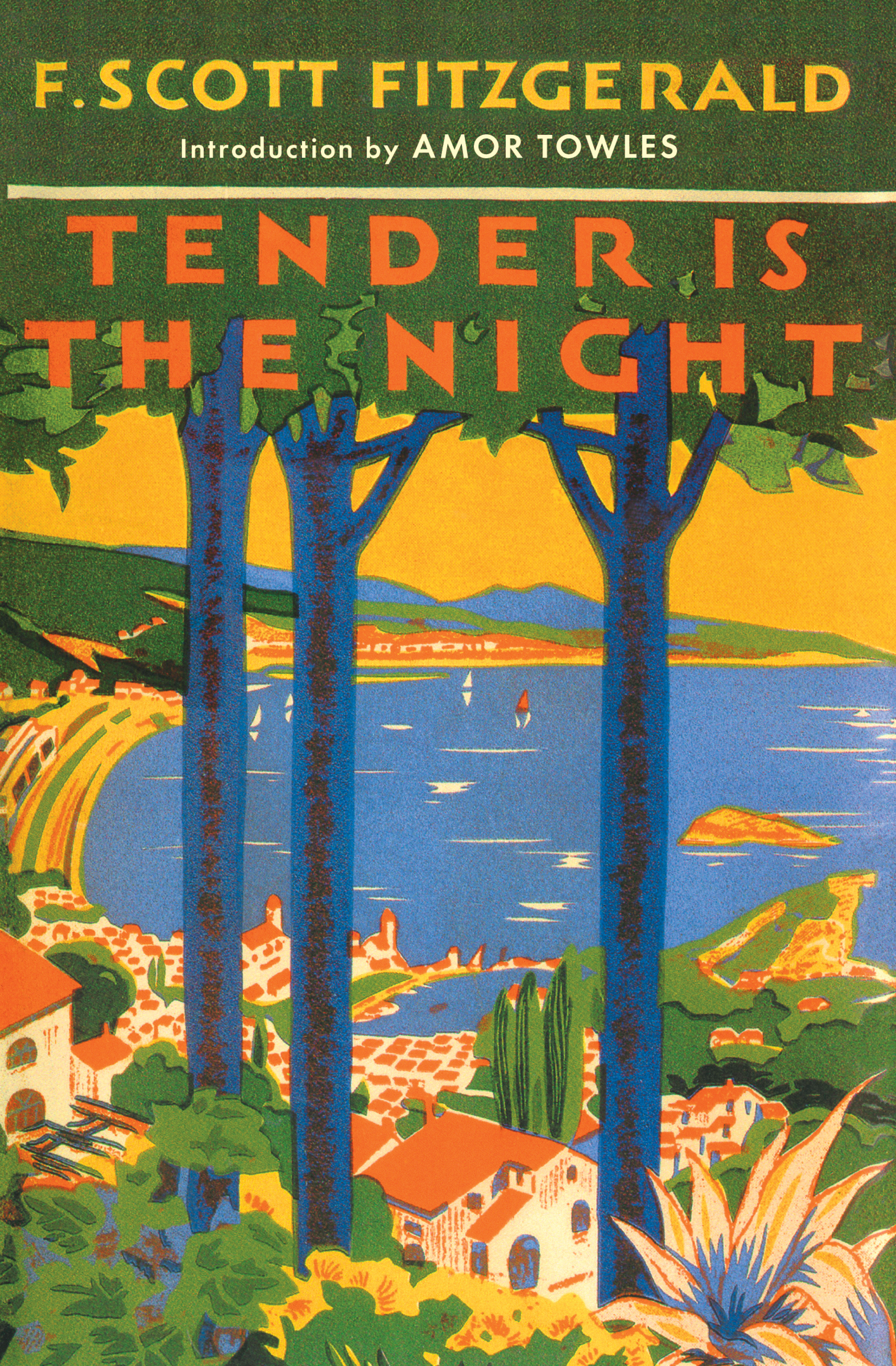
Title: Tender is the Night
Author: F. Scott Fitzgerald
Publisher: Scribner (12 April 1934)
Genre: General Fiction (Adult), Literary Fiction, Classics
Trigger Warnings: Adultery, Murder, Violence, Incest, Racism, Child Abuse
Read if you like: Sweet Fury, The Great Gatsby
Rating: 4.25 Stars
The Review
As you read in one of my Top 10 Tuesday posts, one of my goals for this year is to read more classics. I wasn’t sure of where to start, but reading Sweet Fury gave me a good idea of where to begin. For those who didn’t read my review of Sweet Fury, it is a modern retelling that takes a lot of inspiration from Fitzgerald’s Tender is the Night. While I enjoyed the story, I wanted to have a better understanding of some of the Easter eggs included in the novel. Thus, Tender is the Night became my first classic of the year. Reading it not only allowed me to grasp those references but also gave me a deeper appreciation for Fitzgerald’s ability to craft intricate character studies and haunting narratives.
The novel starts in the French Riviera, a stunning backdrop that sets the stage for the complexities of appearance vs. reality that the novel explores. Fitzgerald vividly paints an image of extravagant beachside villas, sparkling Mediterranean waters, and an elite social scene teeming with wealth and privilege. Told in three parts—Book 1, Book 2, and Book 3—each section provides a unique perspective into the lives of Dick and Nicole Diver. Though all parts are narrated in the third person, Book 1 highlights the perspective of Rosemary Hoyt, a young actress whose idealized image of the Divers serves to educate the readers on how the Divers are originally perceived by society. She is enchanted by their charisma, wealth, and seemingly perfect relationship, mirroring the way the public tends to idolize those who appear to have it all. In contrast, Books 2 and 3 tend to delve deeper into Dick Diver’s point of view, stripping away the illusion of perfection. Book 2 explores his complex history, which includes his move to Europe and his first encounter with Nicole, ultimately shaping the trajectory of their lives. It catches up to the point after the events of Book 1 and continues into Book 3, illustrating Dick’s unraveling until finally ending with a focus on Nicole.
Where the novel truly shines, like other works of Fitzgerald, is in its character development. Dick and Nicole act as foils to each other as the novel progresses. While Dick starts as a charming and intelligent psychiatrist, his sense of purpose begins to erode over time, weighed down by personal struggles, professional disappointments, and complications within his relationships – first Nicole and then Rosemary. Nicole, on the other hand, begins to flourish. While she initially appears fragile and dependent on Dick, amplified by her sister’s, Baby’s, concern for her mental state, caused by childhood sexual abuse, Nicole begins to mature and realize that she is not as powerless as the men in her life perceive her to be. As Nicole strives for independence, the power dynamic between them shifts dramatically.
This is what makes Tender is the Night particularly unique, and arguably more progressive for its time—both Rosemary and Nicole are financially independent. Rosemary, as a rising Hollywood actress, has her own means and ambitions, while Nicole, due to her family’s immense wealth, has never needed to depend on Dick for financial security. We are led to believe that Nicole is solely dependent on Dick, when the reality is Dick is actually dependent on Nicole. This dynamic ultimately makes Dick’s downward spiral even more compelling, as he is not the traditional provider in either romance, but rather the one reliant on the women in his life.
Fitzgerald’s prose is, as always, breathtaking. His ability to capture the fleeting beauty of youth, the weight of nostalgia, and the ache of lost potential is unmatched. The setting—Europe between the wars—is intoxicating, full of sun-drenched beaches, decadent parties, and a lingering sense of doom. His descriptions are lush and immersive, making it easy to feel transported to the glamorous yet emotionally fraught world he portrays. Every sentence is carefully crafted, often poetic, and laced with melancholy, a signature aspect of Fitzgerald’s writing.
That said, Tender is the Night can be a challenging read. The narrative shifts in time and perspective, making it occasionally difficult to follow, and the pacing is uneven. Some parts feel indulgent or meandering, and while the psychological depth of the characters is compelling, their flaws—particularly Dick’s—can make them frustrating at times. Additionally, Fitzgerald incorporates multiple sections in French and other languages, which, while adding authenticity to the cosmopolitan setting, may pose a challenge for readers unfamiliar with them. For readers unfamiliar with these languages, companion guides or annotated editions can be helpful in navigating these sections without losing the novel’s nuance.
Overall, Tender is the Night is a novel that requires patience but rewards readers with a rich, emotionally complex narrative that lingers long after the final page. Fitzgerald masterfully dissects love, ambition, power, and self-destruction, crafting a story that feels both deeply personal and universally resonant. While it may not be as instantly gripping as The Great Gatsby, it is a novel that grows in depth the more one reflects on it. For those willing to invest in its intricacies, Tender is the Night offers a haunting and thought-provoking reading experience that showcases Fitzgerald at his most introspective and ambitious.
Short Review (AKA TLDR)
One of my goals this year is to read more classics, and Tender is the Night felt like the right place to start after reading Sweet Fury, a modern retelling inspired by Fitzgerald’s novel. I wanted to better understand its references and appreciate Fitzgerald’s signature style. Set on the French Riviera, the novel explores the illusion of perfection through Dick and Nicole Diver. Told in the third-person through three parts, the first introduces them through the idealized eyes of actress Rosemary Hoyt. The next two shift focus to Dick, unraveling his past, his marriage to Nicole, and his ultimate decline, while eventually ending on Nicole and her growth during this time.
What makes Tender is the Night stand out is that both of Dick’s love interests—Rosemary and Nicole—are financially independent. Nicole’s wealth and Rosemary’s rising Hollywood career mean they are not reliant on men, making Dick’s downward spiral even more striking as he depends on the women in his life rather than the other way around.
Fitzgerald’s prose is stunning, painting a world of beauty and privilege overshadowed by nostalgia and loss. The book’s non-linear structure and shifts in perspective can make it a challenging read, and sections in French and other languages add to its complexity. However, for those willing to invest in its layers, Tender is the Night is a rewarding, haunting read that cements Fitzgerald’s brilliance in portraying human ambition and tragedy.
 duffrunstough